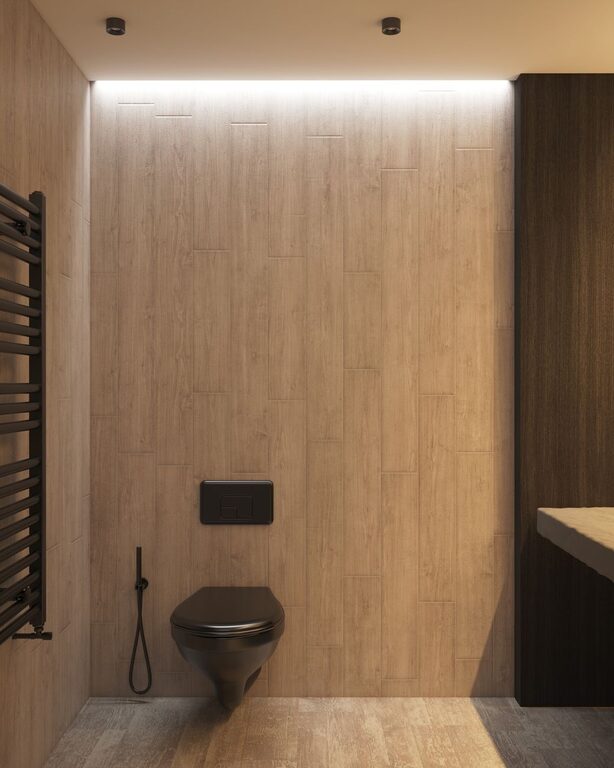
Creating a minimalist bathroom setup is a wonderful way to bring calm, clarity, and functionality to one of the most frequently used spaces in your home. Minimalism emphasizes simplicity, clean lines, and reducing clutter, which can make your bathroom feel larger, more relaxing, and easier to maintain. If you’re considering a bathroom refresh or a full remodel, this guide will walk you through the essential steps to achieve a beautiful minimalist space.
What is Minimalist Bathroom Design?
Minimalist design focuses on the essentials. It avoids excessive decoration and unnecessary items, prioritizing function and simplicity. In a bathroom, this means clear surfaces, streamlined fixtures, and thoughtful storage solutions. The goal is to create an environment that feels airy, neat, and peaceful.
Step 1: Start With a Neutral Color Palette
Neutral colors such as whites, soft grays, beige, and muted tones form the perfect backdrop for a minimalist bathroom. These colors reflect light well and make the space feel open and inviting.
– Choose light-colored walls and tiles to brighten the room.
– Consider matte finishes which add texture without glare.
– Use gentle contrasts, such as charcoal fixtures against white walls, to add subtle interest.
Step 2: Choose Simple, Functional Fixtures
Minimalist bathrooms feature fixtures with clean lines and no extra ornamentation.
– Opt for a wall-mounted sink or a simple pedestal sink.
– Pick a frameless or minimal frame mirror to keep the look light.
– Use a streamlined faucet design with smooth curves or straight edges.
– Consider a floating vanity or open shelving to enhance the sense of space.
Step 3: Declutter and Organize Smartly
Clutter is the enemy of minimalism. To maintain a minimalist bathroom, keep only what you need and store it out of sight.
– Use built-in or hidden storage such as recessed shelves or cabinets.
– Keep countertops clear and store toiletries in drawers or baskets.
– Select uniform containers for items like soap, shampoo, and lotions to visually simplify.
– Regularly tidy up and remove unused products.
Step 4: Enhance Lighting Naturally and Artificially
Good lighting supports the minimalist aesthetic by making the space feel bright and open.
– Maximize natural light with sheer window treatments or frosted glass.
– Use LED recessed lighting to avoid bulky fixtures.
– Add a well-placed mirror to reflect light and create depth.
– Consider soft, warm lights for a relaxing atmosphere.
Step 5: Incorporate Minimalist Accessories
While minimalism focuses on simplicity, carefully chosen accessories can add warmth and personality.
– Use plants like succulents for a touch of greenery without clutter.
– Choose a plain, high-quality towel set in neutral shades.
– Add a simple soap dispenser and toothbrush holder that match the overall color scheme.
– Avoid busy patterns or excessive decoration.
Step 6: Focus on Quality Over Quantity
Minimalism isn’t about having less, but about having the right things. Invest in durable, timeless materials and fixtures.
– Choose tiles and surfaces that are easy to clean and maintain, such as porcelain or natural stone.
– Select faucets and hardware made from stainless steel or brushed nickel.
– Use water-saving fixtures that combine function with sustainability.
Step 7: Keep Maintenance Easy
A minimalist bathroom should be practical to keep clean and tidy.
– Choose materials that resist mold and stains.
– Avoid intricate designs that trap dust or soap scum.
– Keep cleaning supplies organized but out of sight to maintain the uncluttered look.
Final Thoughts
Creating a minimalist bathroom setup is a rewarding project that can transform your daily routine. By prioritizing simplicity, functionality, and quality, you can craft a space that feels calm and effortless. Whether you’re starting from scratch or updating your current bathroom, these tips will help you enjoy a stylish, tranquil retreat every day. Remember, minimalism is personal — adapt these principles to suit your needs and create a bathroom that works best for you.